About ACHSeeds

About Us

Good Things Come from Common Ground

a father and his children walking in a sugarbeet field at sunset

A legacy built over generations

Our story began more than a century ago. Like the family farms we serve, our success is grounded in generations of hard‑earned experience and a deep respect for the work passed down through generations.

ach seeds sugarbeet seeds

High tech processes, better results

Our seed processing facility is the only one of its kind in America. That advanced technology translates into cleaner, stronger, more consistent seed - so you can count on quality in every box.

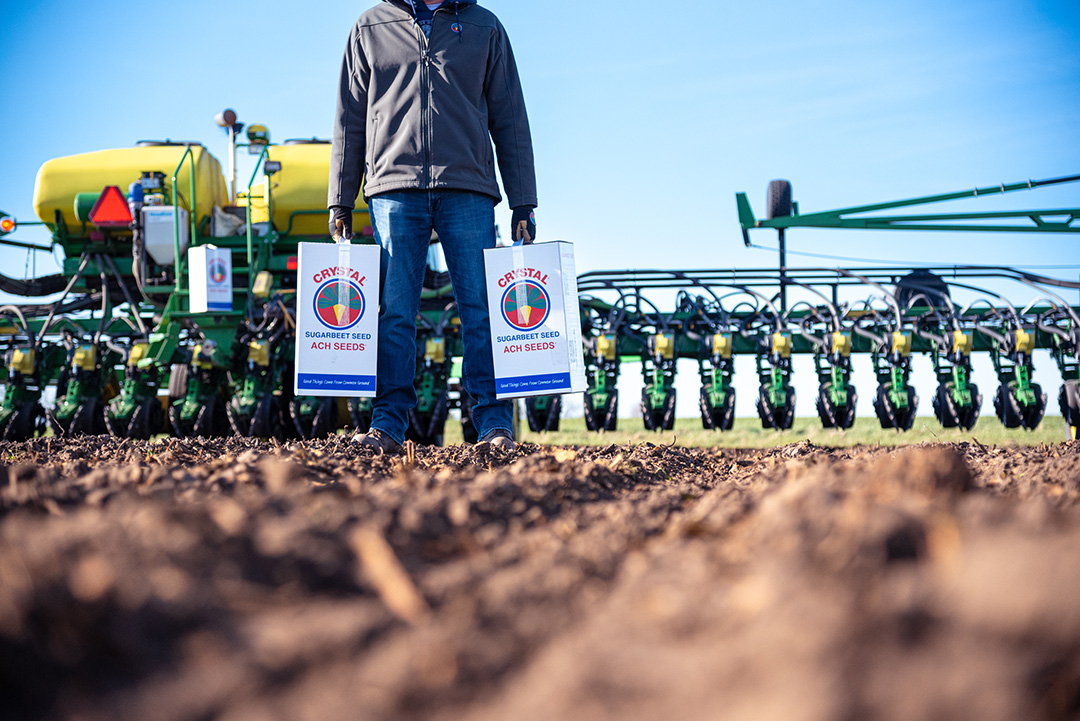
grower carries sugarbeet seed boxes to his equipment

Seed tailored to your region

No two regions are the same. That’s why our seeds are carefully selected and developed to meet the specific demands of each growing area - helping every field reach its full potential.

How We Get There: Our 2026 Timeline

hand touching a sugarbeet leaf

Oct. 2023 - Jan. 2024

Determine what varieties will best serve evolving market needs based on environment, challenges and grower preferences.
planting sugarbeet stecklings

Jul. - Sept. 2024

Plant stecklings in Arizona to start the first seed production year (pre-vernalization).
sugarbeet harvesting equipment

Early Dec. 2024

Review trial data and proceed with only the varieties that meet our high standards.
stecklings in cold storage to start vernalization

Late Dec. 2024

Harvest stecklings and start vernalization by placing them in cold storage.
transplanted stecklings

Jan. - Mar. 2025

Transplant stecklings in Oregon and Washington to start the second part of the seed production cycle (post-vernalization). Oregon and Washington offer ideal growing conditions during this phase of seed production.
commercial seed being harvested

Aug. 2025

Harvest commercial seed production and prepare for processing.
sugarbeet seed being processed

Sept. 2025 - Feb. 2026

Seed is processed, treated and packaged for sale. Each seed lot is meticulously analyzed for quality.
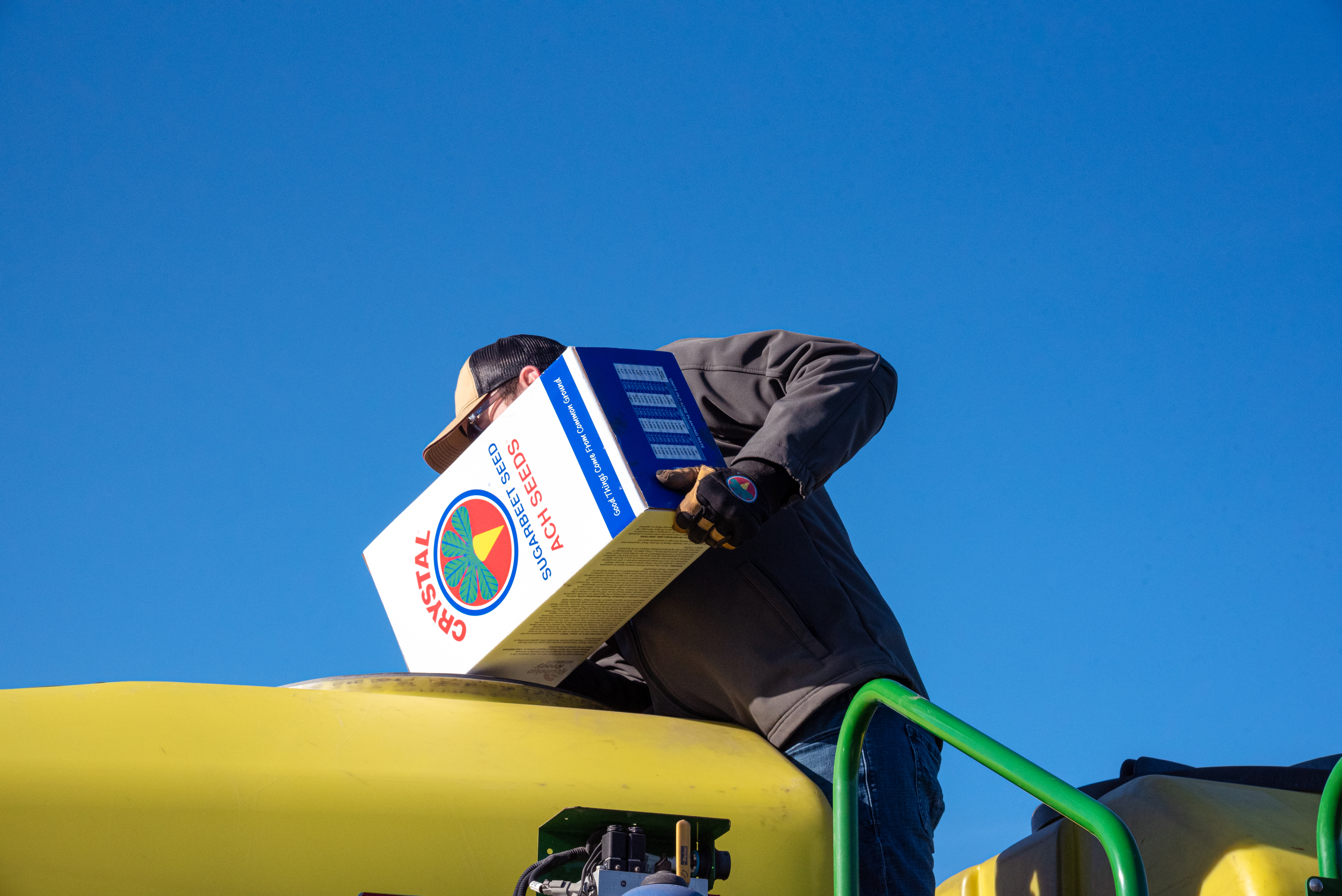
sugarbeet seeds being poured from a box

Scheduled for Spring 2026

Deliver seed varieties that fit the unique needs for each field to our customers.
st_image_alt

How Our Seed Is Made

Sugarbeet seed varieties take up to 10 years to develop. We work with our internal teams, represented by sales, marketing, product management and breeding, collaborating to bring sugarbeet growers top-performing and productive varieties.

STEP 1

Cleaning

When the bare seed comes in from the fields, it's placed on the cleaning line to separate sticks, soil, weed seeds and chaff from the sugarbeet seed. The pericarp is removed to promote germination. Then, we test the sample for germination.

STEP 2

Recovery

Every hybrid has a different size and shape, depending on that season's climatic conditions. It's in this stage that the seed is polished and sized to ensure uniformity. If it passes all the quality and seed-testing standards, it advances to further processing.

STEP 3

Pelleting

Consistency is vital. After recovery, our seed processor assesses each lot of seed and uses pelleting equipment to create consistently sized seed lots. Pellets are built using measuring equipment for consistency, then sized with both round-hole and slot screens. Then, we follow it all up with another germination test.

STEP 4

Treatments

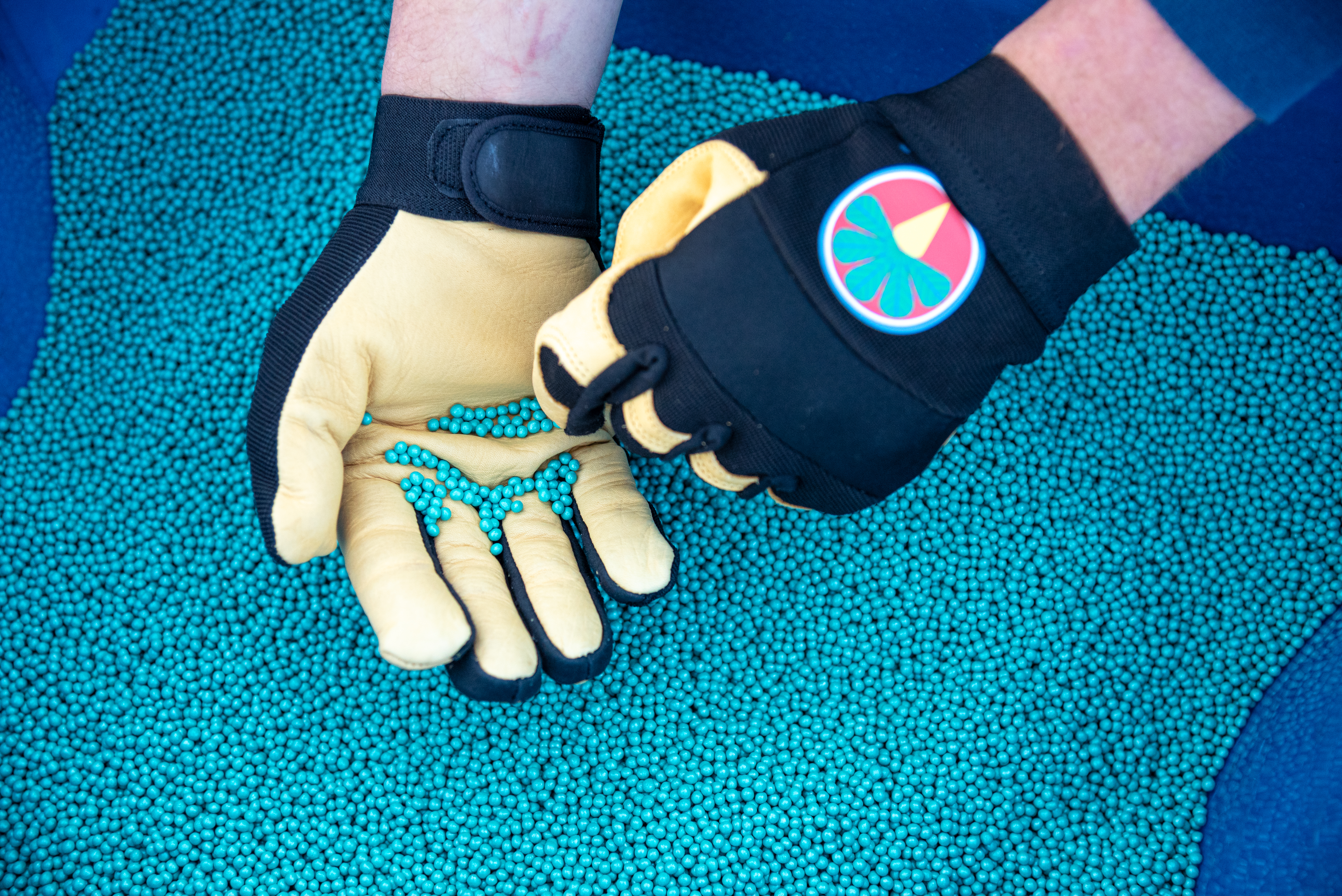
Once the seed is primed and pelleted, fungicides and insecticides are applied, along with our unique green color. Then, we test for germination once again. Next, we test for plantability at both the pelleted and treated stages to ensure the seed is compatible with the most common planters.

STEP 5

Packaging

Finally, the seed is packaged and shipped to a warehouse location in each market. Then, we apply a final test for germination and ensure the seed exceeds Quality Assurance standards.

Our Regions